Yellow Mustard Watercolor Backgrounds: A Designer's Warm Companion
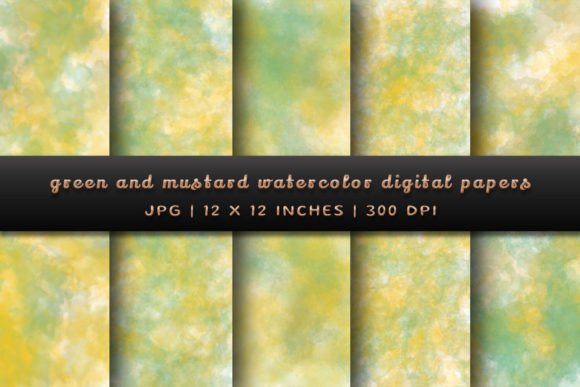
There's something about the color yellow mustard that immediately evokes a sense of warmth, nostalgia, and earthy sophistication. It's not the bright, in-your-face yellow of a highlighter, nor the pale, timid shade of buttercream. It's a color with depth, a color that feels both organic and intentional. When rendered in a watercolor texture, this hue gains an additional layer of personality—soft, fluid edges, gentle variations in saturation, and a handcrafted quality that digital solids simply can't replicate. This is the essence of Yellow Mustard Watercolor Backgrounds, a set of design assets that bring this specific, appealing aesthetic to your creative toolkit.
Understanding the Visual Character
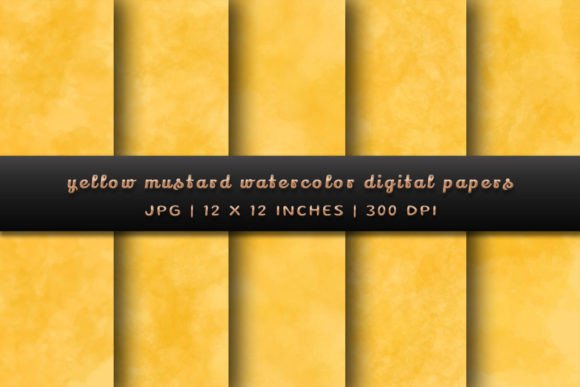
These digital papers are more than just a color swatch. They are full-fledged textures with a distinct voice. The watercolor effect introduces subtle gradients and bleeds, where the pigment pools and fades naturally across the 12x12 inch canvas. You might see areas of deeper, more concentrated ochre near the center, softening to a whisper of golden hue at the edges. This organic variation is key to their charm. It prevents the background from feeling flat or sterile, instead offering a surface that feels alive and tactile. The high-resolution 300 DPI specification ensures that every nuance of the watercolor wash—the tiny granules of pigment, the soft feathering where water met paper—is captured with clarity, making these assets suitable for both large-format printing and detailed digital work.
The personality of this design asset is one of grounded creativity. It strikes a balance between playful and professional. It has the approachable, handmade feel of a craft project but possesses the refined color palette and quality that a brand strategist or marketer would seek for a sophisticated campaign. It’s a creative font for your background layer, if you will—a typeface of texture that sets the stage for whatever typography or design elements you place upon it.
Practical Applications Across Projects
Where does this particular aesthetic truly shine? Its versatility is one of its greatest strengths. For entrepreneurs and small business owners building a brand identity, Yellow Mustard Watercolor Backgrounds can be a foundational element. Use it as the backdrop for a logo design to inject immediate warmth and approachability. It’s particularly effective for brands in the artisanal food, wellness, handmade goods, or boutique lifestyle spaces where a connection to nature and authenticity is paramount. The texture communicates craftsmanship without saying a word.
In the realm of publishing and editorial design, these backgrounds are invaluable. Imagine a cookbook layout where recipe pages sit atop this gentle, mustard-toned wash. Or consider a lifestyle blog’s featured image, where the background texture adds depth and visual interest to a flat lay photograph. For social media graphics, where stopping the scroll is everything, a rich, textured background can make a simple quote or announcement feel more substantial and curated. It’s a modern typography practice to pair bold, clean sans serif fonts against such organic textures for striking contrast.
The practical applications extend deeply into the world of crafts and personal projects. For scrapbooking, these digital papers are a dream. They provide a cohesive, high-quality base for layering photos, memorabilia, and other decorative elements. The 12x12 inch format is a direct match for standard scrapbook pages, and the high resolution means your printed pages will look crisp and professional. Similarly, for creating custom invitations—whether for a wedding, baby shower, or autumn gathering—the watercolor texture sets a mood that is both festive and elegantly understated. It’s a premium font of background design, offering a level of quality that elevates homemade projects to professional-looking keepsakes.
Making the Most of Your Design Assets
Integrating a strong textured background like this requires a thoughtful approach to the rest of your design. The key is to ensure readability and maintain a clear visual hierarchy. Because the background has its own visual energy, the typography and foreground elements need to command attention. This is where your choice of typeface becomes critical. A bold, geometric sans serif font will often stand up well against the soft texture, providing a clean, modern counterpoint. Alternatively, a strong serif font with good contrast can lend a classic, authoritative feel. The goal is a harmonious font pairing where the text is effortlessly legible.
When you download and extract the ZIP file, you’ll find five distinct variations of the yellow mustard watercolor texture. Don’t just pick one at random. Take the time to review each file. Look at the distribution of the color, the intensity of the wash, and the placement of the lightest and darkest areas. One might have a more centered concentration, ideal for a focal point design. Another might have a more even, all-over texture better suited for a full-page background. Testing a few options within your specific project layout is always the best practice.
From a commercial licensing perspective, assets like these are typically offered with clear terms. Always verify the license before use in client work or commercial products to ensure compliance. The value they provide is immense—they save countless hours that would otherwise be spent trying to create similar textures from scratch or searching for the perfect, high-quality stock image. They are a direct investment in the professionalism and aesthetic consistency of your output.
Ultimately, Yellow Mustard Watercolor Backgrounds are a versatile tool in the modern creator’s arsenal. They offer a specific, appealing visual solution that bridges the gap between digital precision and handmade artistry. Whether you’re crafting a brand’s visual identity, designing layout pages, or creating personalized stationery, this texture brings a reliable dose of warmth, character, and professional polish. It’s a design asset that doesn’t just fill space—it actively contributes to the story you’re trying to tell.