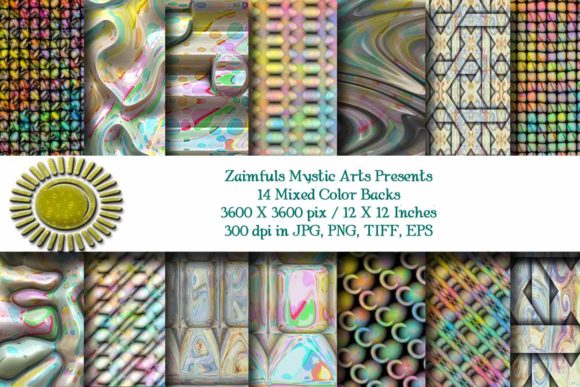
12 Mixed Colors Backgrounds: Vibrant Digital Papers for Creative Projects
Unlocking the Potential of High-Resolution Digital Assets
When you're deep in the creative process—whether you're designing a client logo, assembling a mood board for a brand strategy, or curating content for a new blog launch—the foundation of your work matters. You need assets that are not only visually striking but also technically reliable. This is where the 12 Mixed Colors Backgrounds collection from Zaimfuls Mystic Arts steps in. It’s not just a set of random colors; it is a curated toolkit designed to solve the "blank canvas" problem that plagues designers, marketers, and content creators alike.
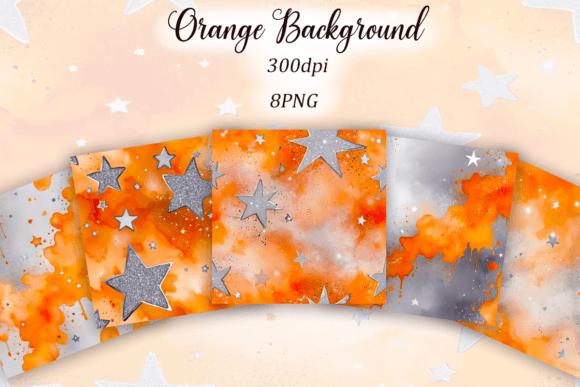
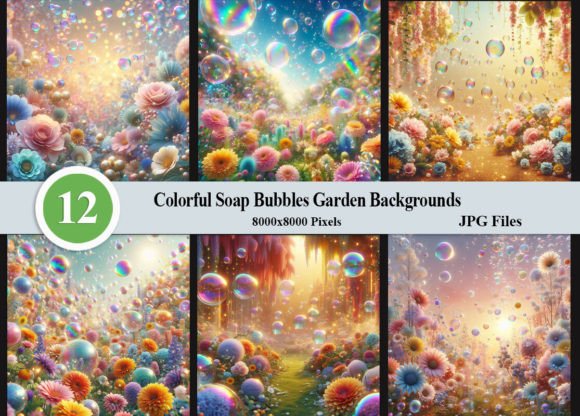
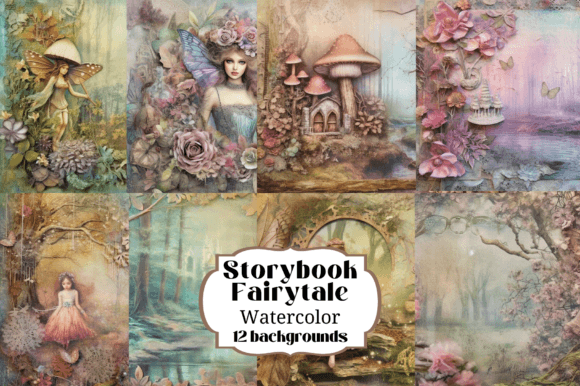
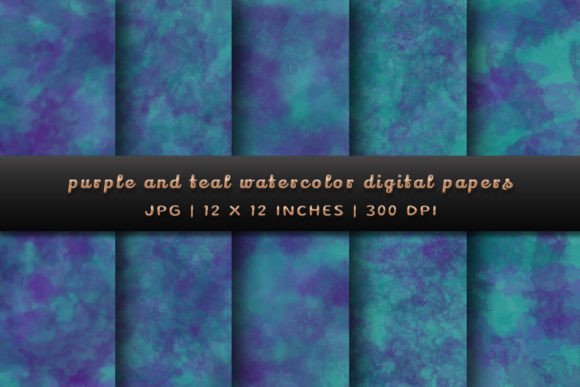
The immediate appeal of these backgrounds lies in their versatility. We aren't talking about flat, one-dimensional gradients here. These are rich, textured papers that bring depth to any project. The collection features a spectrum of hues ranging from deep, moody tones to bright, energetic pastels. This variety allows you to match specific brand identities or seasonal marketing campaigns without having to hunt through multiple libraries. Whether you are working on digital card making or need a subtle backdrop for web design, the personality of these papers adds a layer of professionalism that a solid color fill simply cannot achieve.
Technical Specifications: Why Resolution and Format Matter
For the serious creative professional, the visual appeal of an asset is only half the story; the technical specifications are what determine its utility in a commercial environment. The 12 Mixed Colors Backgrounds set is built with professional standards in mind. Each image boasts a high resolution of 300 DPI, which is the gold standard for print quality. This ensures that when you scale these backgrounds for wall art or large-format printing, the texture remains crisp and the colors stay true, avoiding the pixelation that often plagues lower-quality assets.
Furthermore, the images are sized at 3600×3600 pixels (12x12 inches). This square aspect ratio is incredibly practical. It is the standard size for scrapbooking and many digital paper products, but it also translates seamlessly to social media platforms like Instagram or Pinterest. The collection includes files in JPG, TIFF, EPS, and PNG formats. This comprehensive range is crucial for workflow efficiency. The EPS files are particularly valuable for those who need to scale elements without losing quality, while the PNG and TIFF formats offer lossless quality for complex layering in software like Adobe Photoshop or Illustrator. Having access to these formats means you are not restricted by your software preferences, making these design assets highly accessible for entrepreneurs and hobbyists alike.
Practical Applications for Branding and Marketing
How do you actually use these backgrounds to elevate your work? The possibilities are extensive, but let’s focus on high-impact applications that drive engagement and brand recognition.
First, consider packaging design. If you are a small business owner launching a new product, the texture of your packaging can influence customer perception before they even touch the product. Using a subtle, textured background from this collection as a wrapper or label backdrop can convey a sense of tactile quality and premium craftsmanship. It moves your brand away from looking generic and toward feeling bespoke.
Second, for bloggers and content creators, consistency is key to building an audience. These digital papers can serve as the unifying visual element across your content. You can use them as backgrounds for quote graphics, podcast audiograms, or newsletter headers. By rotating through the 12 different colors, you can maintain visual variety while keeping a cohesive brand identity. For instance, a travel blogger might use a warm, earth-toned background for adventure posts and a cool, blue-toned paper for reflective essays.
Third, the realm of physical merchandise is wide open. Because these files are high-resolution, they are perfect for print-on-demand services. You can apply these backgrounds to mugs, t-shirts, stickers, and apparel. A designer could overlay a witty slogan or a minimalist illustration on top of one of these textured papers to create a trendy, vintage-inspired look that appeals to modern consumers.
Enhancing Digital Spaces and Personal Devices
Beyond commercial projects, the 12 Mixed Colors Backgrounds offer significant value for personal use and digital environment customization. In an era where we spend hours staring at screens, the aesthetic of our digital interface affects our mood and productivity.
These backgrounds are perfectly sized to serve as phone, pad, and computer wallpapers. Unlike many wallpapers that are too busy or too bright, the texture of these digital papers provides a sophisticated backdrop that doesn't obscure your app icons. They add a touch of personality to your device without sacrificing functionality. For instance, using a deep charcoal or navy textured background can create a focused, professional look for a work laptop, while a pastel watercolor wash might be better suited for a personal tablet used for relaxation.
For those in the education or corporate sector, these backgrounds are excellent for presentations. Slides often look sterile when using standard white or solid color themes. By applying a consistent background from this collection, you can instantly elevate the visual hierarchy of your presentation, making the information feel more curated and authoritative.
Strategic Selection and Workflow Integration
When incorporating new assets into your toolkit, it is wise to be strategic. Don't just download and dump these files into a generic folder. Create a dedicated library within your design software or file management system. Label them clearly by color family or mood (e.g., "Warm Neutral Textures," "Vibrant Blue Accents"). This organization will speed up your workflow when you are under a deadline.
When evaluating which of the 12 colors to use for a specific project, consider the psychology of color in relation to your target audience. If you are designing for a wellness brand, lean into the greens and soft blues. If you are marketing a bold new tech startup, the sharper reds or electric blues might better convey innovation and energy.
Finally, always test your typography against these backgrounds. Because these are textured papers, you need to ensure your text remains legible. High-contrast pairings work best—white text on a dark textured background or dark charcoal text on a light pastel background. You may need to add a slight drop shadow or a semi-transparent overlay to ensure the readability of your message, especially for smaller body text. However, for display headings, the texture often adds character that makes the text feel more integrated into the design.
Ultimately, the 12 Mixed Colors Backgrounds collection is more than just decorative filler. It is a functional, high-quality set of design assets that supports a wide range of creative and commercial endeavors. By leveraging the high resolution and diverse color palette, you can produce work that feels polished, intentional, and ready for the market.