Authentic Texture: Using Distressed Plaid Pattern Backgrounds
There is a specific kind of visual comfort found in the classics, and few patterns carry as much weight and history as plaid. Yet, in modern design, a pristine, sharp-edged tartan can sometimes feel a bit too corporate or stiff. This is where Distressed Plaid Pattern Backgrounds step in, offering a bridge between traditional heritage and contemporary grit. By combining the structured geometry of a British tartan with the organic imperfections of wear and tear, these textures provide a unique foundation for design work that needs to feel grounded, authentic, and lived-in.
The Visual Character of Worn British Style Plaid
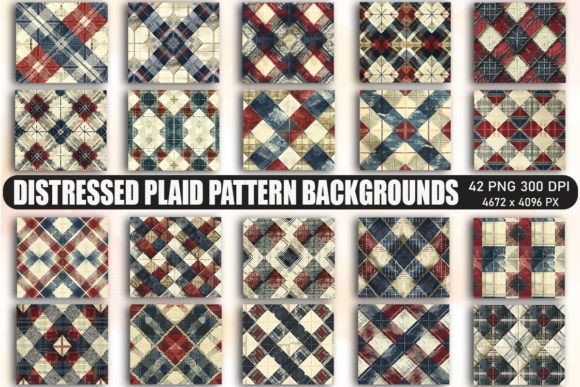
When you look at a Distressed English Plaid Pattern, you aren’t just seeing lines crossing over each other. You are seeing a story of texture. The visual characteristics of these backgrounds rely heavily on the "grunge" effect—fading, subtle noise, and uneven edges that mimic natural aging. This style moves away from the digital perfection of vector graphics and introduces a tactile quality. It feels less like a computer-generated image and more like a vintage wool blanket found in a countryside estate.
The personality of a Vintage Tartan Plaid Texture Backdrop is warm, rugged, and nostalgic. It evokes a sense of stability and tradition but with a relaxed, artistic edge. Because the colors in a distressed design are often muted or "faded," they create a sophisticated palette that doesn’t scream for attention. Instead, they whisper. This makes them incredibly versatile for branding that aims to appear established and trustworthy without being stuffy.
Strategic Applications: From Packaging to Digital Banners
The utility of these patterns extends far beyond simple decoration. In brand identity and packaging design, a Worn British Style Plaid Pattern Print can instantly signal quality and craftsmanship. Imagine a coffee roaster or a craft brewery using a dark, moody tartan as the background for their label. The texture suggests that the product inside is artisanal and high-quality. It works exceptionally well for brands in the lifestyle, fashion, or outdoor sectors where ruggedness is a selling point.
For editorial design and web design, these textures serve as excellent backdrops for typography. A busy, pristine plaid can sometimes make text hard to read, but a distressed version creates visual depth that helps foreground elements pop. This is particularly useful for social media graphics where you need to stop the scroll. A Grunge English Plaid Design paired with a bold, clean sans-serif font creates a striking contrast between the organic background and the sharp foreground text. It is also an excellent choice for scrapbooking, digital invitations, and seasonal cards, offering a rustic charm that feels personal and handcrafted.
Designing with Texture: Hierarchy and Readability
One of the most critical aspects of working with Distressed Plaid Pattern Backgrounds is managing the visual hierarchy. Because the texture is detailed, it introduces a layer of complexity to your canvas. To maintain professionalism and readability, you must treat the plaid as a supporting actor, not the lead.
When using these design assets, consider using them in sections rather than covering an entire layout with heavy text. For instance, use the plaid texture for a header or a sidebar, leaving ample white space for body copy. If you do use it as a full background, applying a slight color overlay or a vignette can darken the edges and center the viewer's focus. Regarding font pairing, distressed textures pair beautifully with clean geometric sans-serifs or sturdy serifs. Avoid overly ornate script fonts, as they can get lost in the "noise" of the texture. The goal is legibility; the grit of the background provides the mood, while the typography provides the message.
Technical Specifications and Workflow Tips
The specific collection of Distressed Plaid Pattern Backgrounds currently available is built for high-end output. With 42 distinct PNG files included, you have a vast library of variations to explore. Each design is sized at approximately 4672 x 4096 pixels at 300 DPI. In practical terms, this is massive. You can confidently use these files for large-format printing, such as banners, posters, or backdrops, without worrying about pixelation. However, the versatility lies in the ability to resize; you can scale these down for small icons or business cards, and the high resolution ensures the distressed details remain sharp and intentional rather than blurry.
It is important to note the technical requirements for using these assets. The files are delivered in a .ZIP format, so you will need to know how to extract files on your PC or Mac. Furthermore, these are rasterized PNGs, not layered SVGs. This means they are designed for visual backgrounds, not for physical cutting machines like Cricut or Silhouette unless you are simply using them as a print-and-cut background image. When preparing your files for print, be mindful that screen colors and printer colors often vary; doing a test print on your specific paper type is always recommended to ensure the vintage tones render correctly.
Ultimately, incorporating a Faded Tartan Style Plaid Texture into your toolkit is about adding depth and narrative to your work. It allows you to tap into the history of the tartan while utilizing modern digital convenience. Whether you are designing a rustic wedding invitation or a gritty social media campaign for a clothing line, these backgrounds provide the perfect foundation for creative projects that demand character. By understanding the balance between texture and typography, you can leverage these assets to create premium design