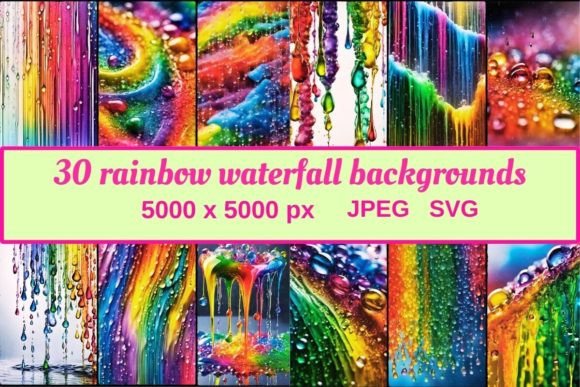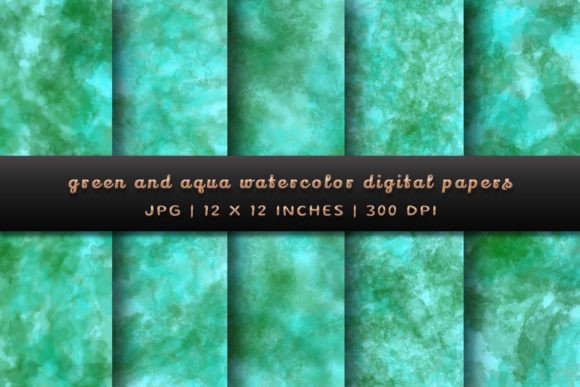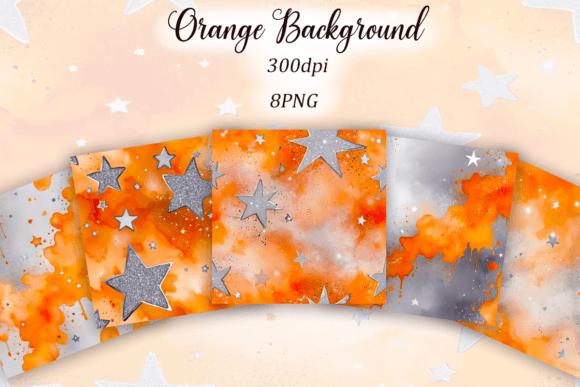
Colorful Wave Backgrounds: Vibrant Design Assets
Understanding the Visual Energy of These Graphics
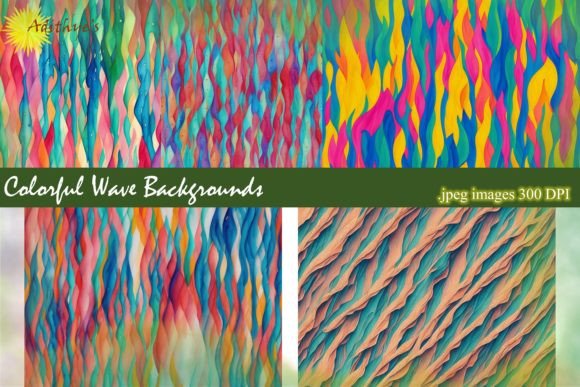
When you are working on a project that demands immediate attention, standard stock photos often fall flat. You need something with motion and energy. This is where Colorful Wave Backgrounds come into play. Unlike a static serif font or a minimalistic sans serif font, these graphics are designed to evoke movement and fluidity. They typically feature organic, flowing lines with vibrant gradients that mimic the movement of water or sound waves. The visual personality here is undeniably modern and dynamic. It bridges the gap between digital abstraction and natural flow, making it a versatile component in your library of design assets.
The appeal lies in the texture and the color depth. Because these are high-resolution assets—specifically five distinct images delivered in a .jpeg format at a staggering 4000+ pixels and 300 dpi—they are built for heavy lifting. You are not dealing with a small web thumbnail; you are working with print-ready files. This resolution ensures that the gradients remain smooth without pixelation, a common issue with lower-quality design assets. Whether you are a graphic designer building a brand kit or a small business owner looking to refresh your packaging, the quality of the source file dictates the quality of the final product.
Practical Applications: From T-Shirts to Web Design
The versatility of Colorful Wave Backgrounds is where the real value lies for entrepreneurs and marketers. In the world of Print on Demand (POD), unique visuals are currency. These waves work exceptionally well as the foundation for t-shirt design. Imagine pairing a vibrant, abstract wave with a bold display font or a distressed handwritten font. The contrast between the fluid background and the rough typography creates a trendy, streetwear-inspired aesthetic that resonates with younger demographics.
However, the utility extends far beyond apparel. If you are involved in editorial design or packaging design, these backgrounds can serve as a sophisticated base layer. For instance, a greeting card or invitation often suffers from looking too generic. By using a subtle colorful wave, you add depth and emotion without cluttering the layout. It allows text—whether it is a script font for a wedding invite or a clean sans serif font for a corporate event—to pop off the page. The key is using the background to support the message, not overpower it.
- Apparel & POD: Perfect for all-over prints or pocket graphics on hoodies and tees.
- Paper Goods: Ideal for scrapbooking, notebook covers, and gift cards where a tactile feel is desired.
- Digital Marketing: Use them as hero images on landing pages or as engaging backgrounds for social media graphics.
Strategic Integration with Typography and Brand Identity
As a creative professional, you know that a background is rarely used in isolation. It is part of a larger ecosystem involving typography and color theory. When integrating Colorful Wave Backgrounds into your brand identity, readability is your primary concern. High-contrast backgrounds with varying color values can make text difficult to read if not handled correctly.
A practical recommendation is to test your font pairing against the most chaotic part of the image. If you are using a detailed premium font, ensure there is a "quiet zone" in the image where the text can sit comfortably. Alternatively, many designers use a semi-transparent overlay or a text box to separate the typeface from the background noise. This technique allows you to maintain the energy of the wave while ensuring your message is legible. It is a balance between aesthetic flair and functional web design principles.
Evaluating Fit for Commercial Use
Before purchasing, you must evaluate how this asset fits into your workflow. Since the package includes 5 images in a Zip folder, it offers variety without overwhelming your storage. However, always consider the licensing. For small business owners and content creators, understanding the difference between personal and commercial font or asset licensing is crucial. Ensure that the usage rights align with your intent to sell products like POD products or merchandise.
Furthermore, the "personality" of the wave must match the brand. A neon-colored, high-contrast wave suggests tech, music, or youth culture. A softer, pastel gradient might be better suited for wellness, beauty, or lifestyle brands. Do not force a creative font or background into a brand voice where it doesn't belong. Instead, look for the specific image within the set of five that best captures the emotion you are trying to convey.
Maximizing Value in Your Creative Projects
Ultimately, the goal of assets like Colorful Wave Backgrounds is to save you time while elevating your output. Instead of spending hours trying to generate abstract art from scratch, you have a 300 dpi foundation ready to go. For bloggers and publishers, this means faster turnaround times for featured images. For crafters, it means professional-quality results on physical items like photo albums or custom stationery.
Think of these backgrounds as the "mood" of your project. They provide the context in which your typography operates. Whether you are designing a logo, a poster, or a digital ad, the fluid nature of the wave adds a layer of professionalism that flat colors cannot replicate. It shows an investment in quality design assets, which subtly signals to your audience that your brand pays attention to detail.
Final Thoughts on Implementation
When you open that Zip folder, take a moment to inspect the color channels and the composition of each image. See how they interact with your existing library of display fonts and serif fonts. By strategically pairing these vibrant visuals with strong typography, you create a cohesive and engaging experience for your audience. Thank you for reading, and enjoy the creative possibilities these assets bring to your next project.