Elevate Your Projects with Dynamic Vector Backgrounds
The Modern Appeal of Abstract Wavy Dots
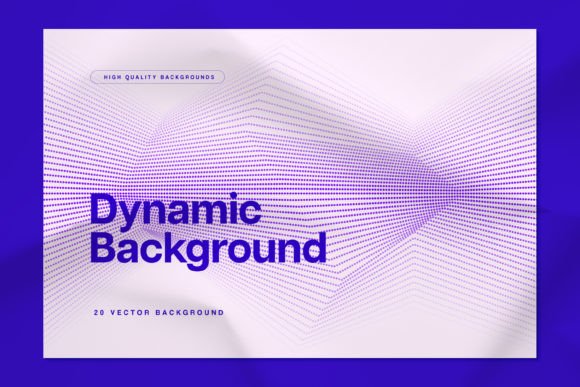
When you’re working on a design that needs to feel current and energetic, static backgrounds often fall short. You need something that breathes life into the layout without overwhelming the content. That is where Dynamic Vector Backgrounds come into play. Specifically, abstract wavy dot patterns offer a unique blend of organic movement and geometric precision. They aren't just random shapes; they are carefully crafted arrangements that mimic the flow of digital landscapes or sound waves. This specific collection, featuring 20 high-quality variations, provides a modern touch that is subtle yet impactful. The visual personality of these backgrounds is inherently sophisticated. They avoid the clutter of busy textures while steering clear of the boredom of solid colors.
The core style here relies on repetition and rhythm. Dots, in their simplest form, are stable and grounded. However, when you introduce a "wavy" dynamic to them, you create a sense of fluid motion. This visual trick suggests speed, progress, and innovation. Whether you choose a dense cluster of particles or a sparse, airy arrangement, the vector format ensures that every curve remains perfectly smooth. Unlike raster images, which can pixelate when scaled, these Dynamic Vector Backgrounds maintain their crispness on a business card just as well as they do on a billboard. This scalability is a massive advantage for professionals who need versatile design assets.
Practical Applications: From Web Design to Print Media
Understanding where to use these assets is just as important as the assets themselves. In the realm of web design, abstract wavy dots work exceptionally well as hero sections for landing pages. A tech startup, for example, could use a subtle blue gradient with floating dots to suggest connectivity and data processing without using a cliché stock photo of a server room. For social media graphics, these backgrounds are lifesavers. Instagram stories and LinkedIn banners require constant refreshing to keep engagement high. A dynamic background ensures that your text overlays pop, making your message readable and your brand look polished.
For those involved in editorial design and packaging design, the applications are equally exciting. Imagine a magazine spread for a fashion or lifestyle brand using a soft, pastel wavy dot pattern as a divider between articles. It adds a layer of texture that feels premium and intentional. In packaging, particularly for cosmetics or modern electronics, this style of background can elevate a product from generic to high-end. It communicates that the brand cares about aesthetics and quality. Even for personal projects, such as invitations for milestone birthdays or weddings with a modern theme, these Dynamic Vector Backgrounds provide a creative font and visual foundation that feels custom-made.
Integrating Backgrounds into Your Brand Identity
A background is rarely just a background; it is a critical component of your brand identity. Consistency is key in marketing, and using a cohesive set of visual elements helps build recognition. When you adopt a specific style, like these abstract wavy dots, you are defining the "mood" of your brand. If your brand personality is forward-thinking, innovative, and approachable, this style reinforces that message. It influences how your audience perceives your professionalism. A cluttered or low-resolution background can make a brand look amateurish, whereas a clean, high-quality vector pattern signals attention to detail.
However, you must consider visual hierarchy. The background should support your content, not fight with it. If you are placing a heavy amount of text—like in a blog post graphic or a detailed flyer—choose a variation of the background with lower contrast or lighter opacity. You want the dots to add texture, but the text must remain the focal point. This is a common challenge in modern typography and layout design. The goal is to create a harmonious relationship where the background guides the eye toward the primary message.
Tips for Choosing and Using Your Design Assets
Selecting the right background from a pack of 20 requires a bit of strategy. Don't just pick the one you think looks prettiest in isolation; think about your existing color palette. If your brand uses bold, high-contrast colors, a monochromatic or grayscale wavy dot pattern might work best to balance the visual weight. Conversely, if your brand is minimalist, a background with a vibrant gradient can serve as the primary source of color and energy for the design.
Here are a few practical steps to get the most out of these assets:
- Test Scalability: Because these are Dynamic Vector Backgrounds, you have the freedom to crop in tight on a specific section for a macro effect or zoom out for a panoramic view. Experiment with different crops to see how the texture changes.
- Check Readability: Always run a "squint test." Step back from your screen and squint. If the text blurs into the background, you need to increase the contrast between your foreground elements and the background pattern.
- Consider Licensing: If you are using these for client work or commercial products, ensure you understand the license. Using professional, licensed design assets protects you and your clients legally and ensures you aren't using stolen art found on a search engine.
- Pairing with Typography: These organic shapes pair beautifully with clean, geometric sans serif fonts. The roundness of the dots contrasts nicely with the straight lines of modern typefaces. If you want a more elegant look, a sleek serif font can work well, but avoid overly decorative script fonts which might get lost in the motion of the dots.
Why Quality Matters in Abstract Design
In a digital landscape saturated with content, the quality of your visual assets speaks volumes. Low-quality images signal a lack of investment, while premium assets show that you value your audience's experience. These abstract wavy dot backgrounds are designed to be versatile. They can act as a subtle texture for a corporate presentation or a bold statement for a streetwear brand's logo design mockup.
Ultimately, the goal is to create designs that resonate. By incorporating Dynamic Vector Backgrounds, you are equipping yourself with tools that offer flexibility and style. They allow you to adapt to different projects—from flyers and posters to banners and websites—without starting from scratch every time. It’s about working smarter, maintaining high standards, and ensuring that every piece of visual communication you put out into the world looks intentional, cohesive, and professional. Whether you are a small business owner DIY-ing your marketing or a graphic designer