Rich & Elegant: Working with Red Velvet Watercolor Backgrounds
There is a specific kind of texture in digital design that immediately signals luxury. It isn’t about gold leaf or metallic foil, but rather the depth of color and the soft, tactile quality of materials like velvet. When you combine that plush feel with the fluidity of watercolor, you get a Red Velvet Watercolor Background. These digital papers are not just static images; they are atmospheric design assets that bring warmth, drama, and sophistication to a project. For designers, marketers, and crafters looking to move beyond flat colors, these backgrounds offer a way to introduce rich, vibrant hues and elegant textures that feel expensive without the cost of physical production.
The Aesthetic Appeal: More Than Just a Color
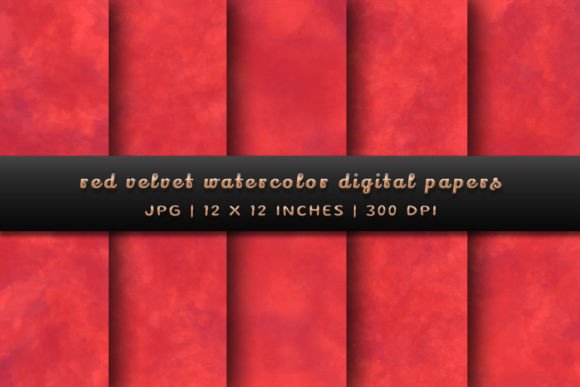
Red is a color that demands attention. In color psychology, it is associated with passion, energy, and importance. However, a flat digital red can sometimes feel aggressive or sterile. By applying a watercolor treatment to a velvet concept, the harshness is softened into something organic and flowing. You will notice that these backgrounds feature deep crimsons bleeding into softer roses, creating a natural visual hierarchy that guides the eye. The texture mimics the pile of velvet fabric, adding a subtle grain that prevents the design from looking like a generic digital gradient.
For those working on brand identity, this style of background communicates a specific personality. It suggests that a brand is established, creative, and values quality. Think about high-end bakeries, boutique florists, or romantic event planners. Using a Red Velvet Watercolor Background in their packaging design or social media graphics instantly aligns the visual language with their market position. It is a versatile aesthetic that bridges the gap between traditional art and modern digital needs, making it a perfect fit for editorial design and web design where texture is needed to break up the monotony of flat UI elements.
Practical Applications for Digital and Print
Because these files are high-resolution—specifically 12x12 inches at 300 DPI—they are built for heavy lifting. You don't need to worry about pixelation when scaling them for print projects. This makes them ideal for scrapbooking, where detail is paramount, or for creating physical invitations to weddings and galas. The high-quality JPG format ensures that the color gradients remain smooth, preserving the integrity of the watercolor effect.
For sublimation projects, the richness of the red is crucial. Sublimation requires vibrant ink transfer, and these backgrounds are optimized to pop on fabric or hard surfaces. Imagine printing these onto tote bags, coasters, or apparel; the velvet texture translates surprisingly well onto physical goods. For digital creators, such as bloggers and publishers, these papers serve as excellent backgrounds for quote graphics, podcast covers, or newsletter headers. They provide enough visual interest to stop the scroll on social media without overpowering the text overlay.
Integrating Texture with Typography
One of the challenges of using textured backgrounds is ensuring that your typography remains legible. A Red Velvet Watercolor Background is busy by nature; it has movement and depth. Therefore, your choice of typeface is critical. You generally want to avoid complex script fonts or handwritten fonts with thin strokes, as they can get lost in the watercolor wash.
Instead, consider pairing these backgrounds with a clean sans serif font. The geometric simplicity of a modern sans serif creates a beautiful contrast against the organic, flowing nature of the watercolor. If you prefer a serif font, choose one with a heavy weight or a display font that has sturdy serifs. This creates a font pairing strategy where the text feels grounded while the background floats freely behind it. For logo design, using a knockout effect—where the text appears cut out of a white overlay on top of the texture—can be a sophisticated way to maintain readability while showcasing the background's beauty.
Strategic Use in Marketing and Branding
From a brand strategy perspective, consistency is key. If you download a set of five digital papers, you have the opportunity to create a cohesive campaign. You might use one variation for your website hero image, another for your Instagram stories, and a third for your PDF lead magnets. This repetition of texture builds brand recognition. When a follower sees that specific shade of red and that watercolor style, they immediately know it’s your content before they even read the headline.
It is worth noting the commercial utility of these assets. Whether you are a small business owner selling handmade goods on Etsy or a content creator designing thumbnails, having a library of premium design assets saves time. Instead of spending hours trying to paint a digital watercolor effect from scratch, you have a ready-made foundation. This allows you to focus on the message and the layout rather than the raw creation of the texture.
Evaluating and Implementing Your Design Assets
Before incorporating these backgrounds into your workflow, take a moment to evaluate the specific project requirements. If you are designing for a corporate client, the "velvet" aesthetic might be too casual, but for lifestyle brands, it is perfect. Always test your color palette against the background. Since the background is a dominant red, your accent colors should complement it. Gold or cream often work well for a luxury feel, while teal or charcoal can provide a modern, high-contrast edge.
Remember that these files come as a compressed ZIP file. It is a small technical detail, but essential for a smooth workflow. Once extracted, you have full control over the 12x12 inch canvas. You can crop specific sections for use as sidebar widgets or stretch them across wide-format prints. By treating these Red Velvet Watercolor Backgrounds not just as "pretty pictures" but as functional design assets, you elevate the professionalism of your output. They bridge the gap between a DIY aesthetic and a polished, professional finish, making them a valuable addition to any creative’s toolkit.