Unlock Vibrant Creativity with Oil Color Backgrounds
When you are building a visual identity, the background is never just empty space; it is the atmosphere of your design. A flat, solid color works for minimalism, but sometimes you need texture, emotion, and depth. This is where The Ultimate Oil Color Backgrounds collection changes the game. It offers a distinct aesthetic defined by deep, rich strokes and a palette that feels both energetic and sophisticated. If you are tired of sterile digital environments, these assets provide a bridge to something more organic and tactile.
The Visual Character of Deep Paint Strokes
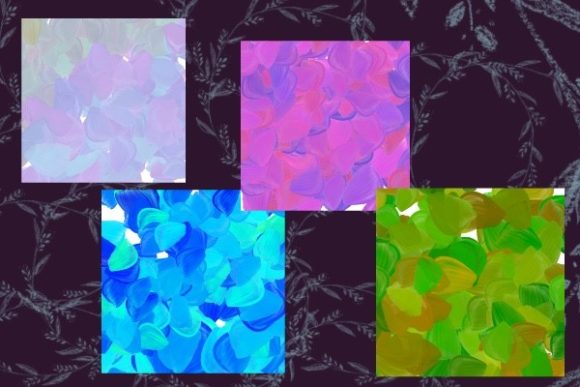
The defining feature of this collection is its commitment to realism and artistic flair. We are not talking about generic gradients or simple noise filters. These backgrounds mimic the specific behavior of oil paint. You can see the viscosity of the medium, the way light catches the ridges of a brushstroke, and the subtle blending where colors meet. The collection includes twelve multi-colored variations, ranging from bright, crisp primaries to more complex, muted tones.
The "crisp" nature of these backgrounds is crucial for modern web design and high-resolution print. Often, texture packs can look muddy when scaled up. Here, the resolution holds up, maintaining the integrity of the brushwork. This makes them perfect as design assets for high-end projects. The visual personality is bold and expressive. It suggests confidence and creativity, making it an ideal choice for projects that need to stand out in a crowded feed or on a busy shelf.
Where This Style Shines: Applications for Professionals
Understanding where to use such a specific texture is half the battle. The Ultimate Oil Color Backgrounds are versatile, but they excel in specific scenarios where emotional impact is the priority.
For packaging design, these textures offer an immediate sense of luxury and craftsmanship. Imagine a high-end chocolate box or a premium candle label using a deep, rich oil stroke as the backdrop for gold foil typography. It signals quality before the customer even touches the product. Similarly, in editorial design, such as magazine covers or feature spreads, these backgrounds can set a mood instantly—whether it is a fiery red for an intense interview or a cool blue for a wellness feature.
In the digital realm, social media graphics benefit immensely from this style. Algorithms favor engagement, and human eyes are drawn to texture. A flat color post is easy to scroll past, but a post with a tactile, oil-painted background feels more "thumb-stopping." It adds a layer of professionalism to Instagram stories, Pinterest pins, and LinkedIn banners. For entrepreneurs and small business owners, using these backgrounds on your website’s hero section can immediately differentiate you from competitors using stock templates.
Strategic Integration and Brand Identity
Choosing a premium font or a texture is not just about aesthetics; it is about strategy. When you incorporate The Ultimate Oil Color Backgrounds into your brand identity, you are making a deliberate choice about how you want to be perceived. The texture of oil paint is often associated with tradition, artistry, and human touch. It counters the "sterile" feel of modern technology.
However, balance is key. Because these backgrounds have high visual texture and depth, they act as strong display elements. If you pair them with a complex handwritten font or a decorative script font, you risk creating visual chaos. The background might fight with the text for attention, leading to poor readability.
The best approach is to treat the background as the "noise" and your typography as the "signal." This usually means pairing these rich textures with clean, legible typefaces. A bold, geometric sans serif font often works beautifully against an organic oil texture. The contrast between the mechanical precision of the letters and the chaotic beauty of the paint creates a dynamic visual hierarchy. Alternatively, a sturdy, high-contrast serif font can evoke a classic, gallery-like feel.
Practical Guide to Choosing and Using These Assets
Before you download and apply, consider the practicalities of your project. Here is a checklist to ensure you get the most out of this collection:
- Evaluate the Color Temperature: The collection offers twelve options. Do not just pick your favorite color; pick the one that matches the emotion of your content. Warm reds and oranges create urgency, while cool blues and greens suggest calm and stability.
- Check the Commercial License: If you are a designer working for a client, or a publisher creating merchandise, you must ensure the license covers commercial use. This protects you and your client legally.
- Test for Readability: Overlay your text on the background before finalizing. Squint your eyes. Can you still read the headline? If the oil strokes are too busy in the center, consider adding a subtle semi-transparent overlay or moving the text to a calmer area of the image.
- Font Pairing Strategy: Avoid using modern typography that is too thin or light-weight. Thin strokes can get lost in the texture of the paint. Opt for medium to bold weights to ensure your message is legible against the deep strokes.
Ultimately, The Ultimate Oil Color Backgrounds are tools for storytelling. They allow content creators, marketers, and hobbyists to add a layer of sophistication that generic stock photos cannot match. By treating the background as an integral part of your message rather than just filler, you create designs that resonate, engage, and convert. Whether you are designing a wedding invitation or a corporate presentation, these textures provide the depth needed to make your work unforgettable.