Watercolor Cow Girl Flowers Backgrounds: A Creative Canvas
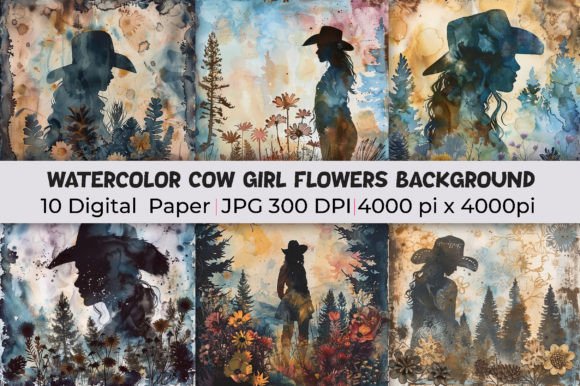
Sometimes a project demands more than just a solid color or a simple gradient. It calls for texture, personality, and a story. This is where the Watercolor Cow Girl Flowers Background collection enters the scene, offering a surprisingly versatile blend of rustic charm and artistic flair. It’s a dynamic set of design assets that moves beyond generic patterns, providing a rich, painterly foundation for a wide range of creative work. The appeal lies in its unique fusion of themes—the free-spirited, adventurous vibe of a cowgirl aesthetic merged with the soft, organic beauty of watercolor florals. This creates a backdrop that is both bold and delicate, capable of setting a powerful mood without overwhelming your core message.
Understanding the Visual Personality
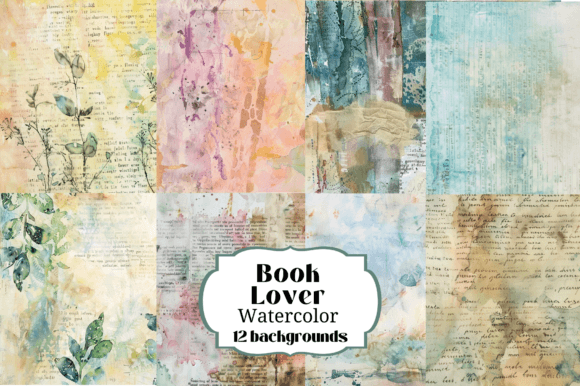
At its core, this collection is defined by its visual texture. Imagine the fluid, unpredictable washes of watercolor, with pigments bleeding softly into one another. Now, infuse that with the earthy, warm tones of a Western palette—think terracotta, dusty rose, sage green, and sun-bleached yellows. Intricate floral motifs weave through these washes, adding layers of detail and sophistication. The "cowgirl" element isn't literal with horses or saddles, but rather evoked through a certain rugged elegance and a color story that feels grounded and authentic. This isn't a sterile, digital pattern; it's a premium font for your background, if you will—a high-quality, painterly base that adds instant depth and character.
The overall effect is one of modern creativity with a nostalgic soul. It’s a creative font for your layouts, providing a visual voice that is warm, inviting, and full of personality. The 4000x4000 pixel resolution ensures that this texture remains crisp and detailed, whether you're using it for a large-scale print or a detailed digital graphic. Each of the ten backgrounds in the set offers a unique composition, giving you a palette of moods to work with, from vibrant and energetic to soft and subdued.
Practical Applications for Designers and Creators
The real value of any design asset is measured by its utility. These backgrounds excel where you need to establish a strong brand identity with a personal, artisanal touch. For a small business selling handmade goods, organic products, or boutique clothing, using one of these as the background for product photography or social media graphics can instantly communicate values of craftsmanship and authenticity. It helps build a brand identity that feels human and approachable.
In editorial design, such as magazine layouts, blog headers, or e-book covers, a Watercolor Cow Girl Flowers Background can set the tone for an entire feature. It works beautifully for articles on topics like sustainable living, DIY crafts, Western fashion, or wedding planning with a rustic theme. The textured background adds a layer of visual hierarchy, allowing overlaid text—especially a clean sans serif font or a bold display font—to pop with clarity and contrast.
For packaging design, the applications are particularly compelling. Imagine a coffee bag, a candle label, or a seed packet using this background. It immediately conveys a story and creates shelf appeal. The key here is font pairing. The intricate, organic nature of the background pairs best with simpler typefaces. A clean, geometric serif font can provide elegant contrast, while a straightforward sans serif font ensures maximum readability for essential information. Avoid pairing it with overly ornate script fonts or handwritten fonts, as the visual competition can harm legibility.
Integrating the Backgrounds into Your Workflow
Adopting a new asset into your projects requires a thoughtful approach. First, consider the emotional tone of your project. Does it call for the energy of a more vibrant background from the set, or the subtlety of a softer wash? Select the background that best aligns with your message. This is a critical step in evaluating project fit; the background should support your content, not distract from it.
Next, focus on typography and font pairing. This is where your project's professionalism and readability are secured. Because the background is rich with detail, your primary text should provide a clear counterpoint. Use strong contrast in color—a dark font on a light wash, or a light font on a darker, more saturated area of the background. Test your chosen typeface at various sizes to ensure it remains legible. A headline in a stylish display font might work, but body copy almost always demands a more neutral, readable serif font or sans serif font.
Finally, think about application across different mediums. For web design, you might use a cropped section as a hero image or a subtle repeating tile for a website background. For print, the high-resolution JPG files are perfect for creating business cards, invitations, or posters. Always check the licensing to ensure it covers your intended commercial font and asset use, whether for a client project or your own business. By treating these backgrounds as a foundational element of your modern typography and layout strategy, you can consistently produce work that feels cohesive, innovative, and deeply engaging. This collection isn't just a set of images; it's a toolkit for adding narrative depth and sophisticated artistry to your visual communications.