Elevate Your Visuals: The Art of 20 Nicely Backgrounds
Every creative project, whether it's a personal blog, a client's brand identity, or a line of print-on-demand apparel, starts with a foundation. That foundation is often the background. A poorly chosen background can muddy your message, clash with your typography, or make your entire layout feel cheap. Conversely, the right background acts as a silent partner, elevating your content, setting the mood, and providing a professional canvas for your ideas to shine. This is where a curated collection like 20 Nicely Backgrounds from Zaimfuls Mystic Arts Presents becomes an indispensable part of your design toolkit.
More Than Just a Pretty Pattern
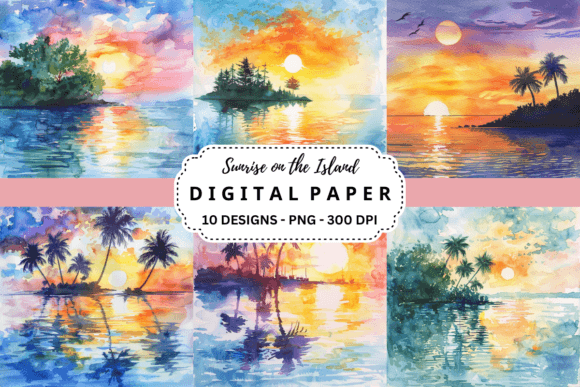
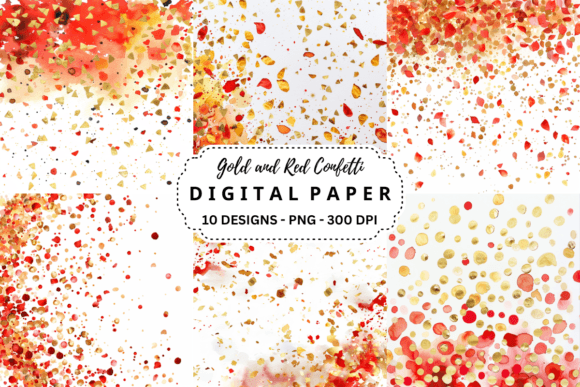
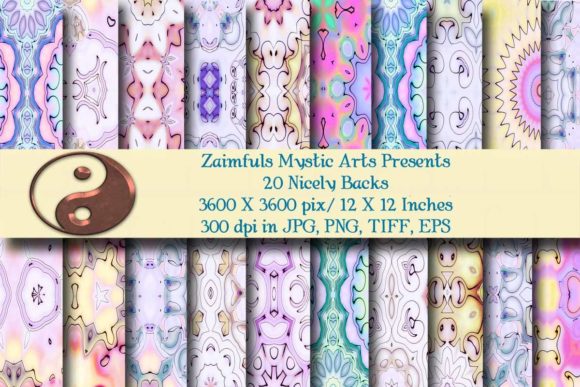
Let's be clear: this isn't just a random dump of textures. The 20 Nicely Backgrounds collection is a thoughtfully assembled set of digital papers designed for real-world application. Each of the 20 unique designs carries its own visual personality—some might be subtle linen textures, others could be bold geometric patterns, and others might feature soft watercolor washes or intricate vintage motifs. The key is their versatility. They are crafted to be backgrounds, meaning they are designed to support, not overpower. They provide depth and interest without demanding the spotlight, allowing your primary content—be it a script font for a wedding invitation or a sans serif font for a corporate report—to take center stage.
The practical specifications are where this collection truly proves its worth for serious creators. Every single file is delivered in high-resolution 300 dpi and at a generous 3600×3600 pixel (12x12 inch) size. This isn't an afterthought; it's professional-grade preparation. That resolution means you can confidently use these assets for print design—think flyers, posters, business cards, and even small-scale packaging—without fear of pixelation. The square format is particularly genius for modern digital use. It's perfectly optimized for social media platforms like Instagram, for digital scrapbooking, and for creating seamless tiling patterns on websites. The inclusion of multiple formats—JPG, TIFF, EPS, PNG—gives you flexibility. The PNGs might offer transparency for layering, the EPS files provide vector-like scalability for certain patterns, and the JPGs/TIFFs are workhorses for direct use.
Integrating Assets into Your Brand and Projects
For designers and brand strategists, consistency is currency. Using a chaotic mix of stock images and random textures can dilute a brand's visual hierarchy and professionalism. A curated pack like 20 Nicely Backgrounds solves this. By selecting two or three complementary backgrounds from the set, you can create a unified visual language. Use one texture as the consistent background for all your social media graphics, another for your blog post headers, and a third for your email newsletter templates. This creates immediate recognition and reinforces your brand identity across every touchpoint. It’s a simple, cost-effective strategy to achieve the cohesion that often separates amateur work from professional output.
The applications extend far beyond digital screens. Imagine using a sophisticated marble or wood grain pattern from this collection as the base for your logo design presentations, or a soft, organic texture for the background of packaging design mockups. Small business owners can leverage them for product photography backdrops—laying a rustic wood pattern under handmade jewelry or a clean, textured paper behind cosmetics can instantly elevate the perceived value of the product. For content creators and bloggers, these backgrounds are perfect for creating branded quote graphics, podcast cover art, or YouTube channel art that feels polished and intentional.
Making Smart Design Choices with Your Assets
Owning a library of design assets is one thing; using them effectively is another. Here’s some practical guidance for integrating the 20 Nicely Backgrounds into your workflow:
- Evaluate Project Fit: Don't just pick a background you like. Consider your project's goal. Is it a formal annual report? A playful children's party invitation? A minimalist tech blog? Choose a background whose mood and complexity align with your message. A busy, colorful pattern might work for a scrapbook page but could sabotage the readability of a text-heavy poster.
- Master Font Pairing: The relationship between your background and your typography is critical. A highly textured, dark background will demand a bold, clean display font or serif font with good contrast. A soft, neutral background might be the perfect partner for an elegant script font or a delicate handwritten font. Always test your text on the background at the final size to ensure it's legible.
- Think in Layers: Use the backgrounds as a base layer. You can then add semi-transparent color overlays, place text boxes with solid or slightly transparent fills over them, or use blending modes in software like Photoshop to create unique effects. This technique allows you to customize the asset to perfectly fit your project's color scheme.
- Review Licensing for Commercial Use: This is non-negotiable. Before using any asset in a commercial project—whether it's for a client or a product you sell—you must understand the license. A reputable collection like this one should come with a clear license that permits commercial use, but it's your responsibility to check the terms for any restrictions (like on print run numbers or specific product types).
In a digital landscape saturated with generic visuals, the ability to quickly access and skillfully deploy high-quality, versatile design assets is a significant competitive advantage. The 20 Nicely Backgrounds collection is more than just a set of files; it's a toolkit for building more professional, cohesive, and engaging visual communications. It empowers you to spend less time searching for the right texture and more time on the creative work that truly matters—crafting your message and connecting with your audience.