Unlocking the Charm of Vintage Green Dots Backgrounds
There is a distinct visual rhythm that emerges when you move away from stark, digital perfection and embrace the texture of the past. In the world of graphic design, where we are often saturated with sleek gradients and sharp vector lines, the tactile quality of a halftone pattern offers a refreshing sense of depth. This is precisely the appeal of the Vintage Green Dots Backgrounds collection. It is not merely a set of images; it is a toolkit for adding instant history, warmth, and a retro-modern aesthetic to your projects. For designers and creatives operating in the 20 to 50 age demographic, this style evokes a nostalgic familiarity while remaining incredibly relevant in today’s trend cycle.
The Visual Anatomy of a Halftone Classic
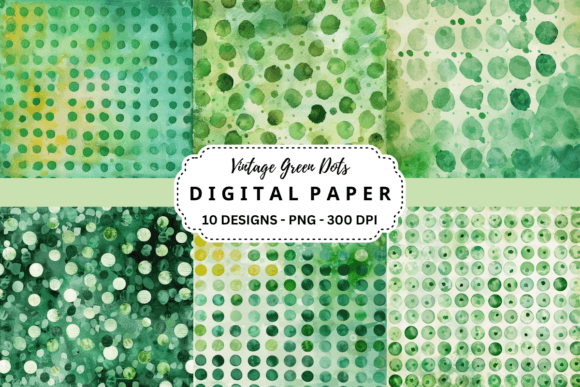
To understand the power of this asset pack, you have to look at the specific visual characteristics at play. The "dots" in these backgrounds refer to the halftone technique—a method originally used in print to simulate shades of gray or color using varying sizes of dots. When you receive the Vintage Green Dots Backgrounds, you are getting ten distinct variations of this effect rendered in a palette that feels organic and earthy.
The choice of green is significant. It grounds the design, avoiding the harshness of pure black or the starkness of white. It suggests nature, growth, and a certain "mid-century modern" sensibility. Because the files are delivered as 3600 x 3600 pixels at 300 DPI, the dots retain their clarity whether you are working on a small social media icon or a massive physical banner. You won't see pixelation or muddy edges; instead, you get crisp, high-quality texture that interacts beautifully with typography and photography.
Practical Applications for Modern Creatives
One of the greatest challenges for content creators and small business owners is finding assets that are versatile enough to justify the investment. This is where the utility of the Vintage Green Dots Backgrounds truly shines. The collection is designed to be a workhorse for a variety of mediums.
Digital Presence and Social Media
In the realm of social media graphics, texture is everything. A flat color background often gets lost in a busy feed. By using these vintage dots as a base layer for your Instagram stories, Facebook headers, or Pinterest pins, you create immediate visual interest. The texture acts as a "pattern interrupt," stopping the scroll. It pairs exceptionally well with modern typography. Imagine a bold, sans serif font in white or cream overlaid on the green dot pattern—the contrast between the clean typeface and the textured background creates a professional, curated look that elevates brand identity.
Print-on-Demand and Physical Products
For those involved in print-on-demand design projects, the 300 DPI requirement is non-negotiable, and this collection meets that standard perfectly. The subtle repetition of the dot pattern makes it an ideal candidate for wrapping paper. It is busy enough to be interesting but structured enough not to overwhelm the eye. Similarly, if you are designing invitations or scrapbooking elements, the vintage aesthetic provides a cohesive backdrop that anchors your other design assets, such as floral illustrations or script fonts.
Editorial and Packaging Design
Publishers and bloggers can utilize these backgrounds to break up long blocks of text. Using a textured background for pull quotes or sidebar elements adds a tactile quality to digital editorial design. For packaging, think about a artisanal tea brand or a botanical soap company. The green dots align perfectly with an eco-friendly or organic message. It signals to the customer that the brand cares about tradition and quality, reinforcing the brand perception before they even read the label.
Influence on Brand Perception and Hierarchy
Design is rarely just about decoration; it is about communication. The choice to use a Vintage Green Dots Background influences how your audience perceives your content. It establishes a visual hierarchy that guides the eye. Because the background is textural but not chaotic, it pushes your foreground elements—your headlines, logos, and call-to-actions—to the forefront.
This approach fosters engagement. Audiences tend to spend more time looking at designs that have depth. A flat, white background is functional, but a textured background invites the viewer to look closer. It adds a layer of professionalism that suggests the creator has put thought into the entire composition, not just the main message. It builds trust, which is a crucial component of conversion for entrepreneurs and marketers.
Integration with Typography and Font Pairing
A background is only as good as the content that sits on top of it. When working with the Vintage Green Dots Backgrounds, font pairing becomes a critical consideration. Because the background has a retro vibe, you have two distinct paths to take, both of which work well.
The first is the "Retro" route. Pairing the dots with a vintage serif font or a playful script font can create a cohesive 1960s or 70s aesthetic. This works well for party invitations, retro-themed branding, or creative personal projects. The second route is "Modern Contrast." Using a clean, geometric sans serif font creates a tension between the old and the new. This is often the preferred route for modern brands that want to appear approachable yet contemporary. The green dots provide the warmth, while the modern typeface provides the clarity and readability.
Evaluating Fit and Commercial Use
Before incorporating any design asset into your workflow, it is vital to evaluate the fit. The Vintage Green Dots Backgrounds are versatile, but they are stylistic. They will not work for a hyper-futuristic tech startup looking for neon grids, nor will they suit a minimalist luxury brand that requires absolute white space. However, for brands in the lifestyle, wellness, food, or creative sectors, they are a perfect match.
When you download the pack, you receive ten individual PNG files. This variety is helpful because it allows you to create a consistent look across a campaign without repeating the exact same image. You might use a darker, larger dot pattern for a poster and a lighter, smaller dot pattern for a business card. This consistency builds brand recognition.
Furthermore, understanding the commercial licensing of these assets is essential. Since these are high-quality design assets intended for commercial use, they allow you to incorporate them into products you sell, such as t-shirts, mugs, or digital planners, without fear of copyright infringement. This peace of mind is invaluable for small business owners who need to protect their intellectual property.
Final Thoughts on Creative Utility
In a digital landscape that is constantly chasing the "next big thing," there is something enduring about the halftone dot. It is a fundamental building block of print history, repurposed here for the digital age. The Vintage Green Dots Backgrounds collection is more than just a set of images; it is a bridge between the analog past and the digital present. Whether you are designing a wedding invitation, crafting a social media campaign, or developing a new brand identity, these textures provide a reliable, high-quality foundation that adds character and professionalism to any project.