Green and Rose Pastel Backgrounds: A Gentle Touch for Modern Design
The right background doesn't just fill space; it sets a mood, tells a story, and frames your primary content with intention. In a digital landscape saturated with bold graphics and stark minimalism, the soft, organic charm of watercolor has made a powerful resurgence. The Green and Rose Pastel Watercolor Digital Papers are a direct response to this trend, offering a collection of design assets that prioritize subtlety, emotion, and artistic flair. This isn't just a set of patterns; it's a toolkit for establishing a specific brand identity or creative vision, one that feels both personal and professionally polished.
Understanding the Visual Language of Soft Hues
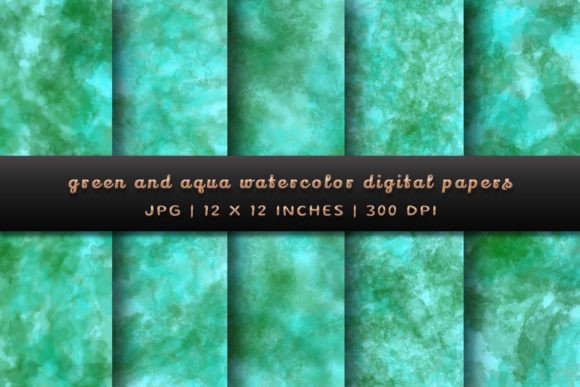
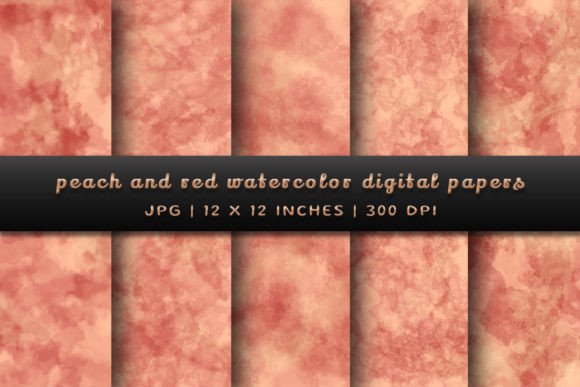
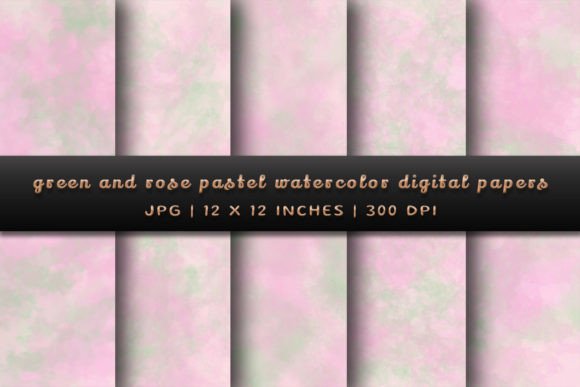
At its core, this collection is about the interplay of color and texture. The palette combines the calming, restorative qualities of soft green with the gentle, romantic warmth of muted rose. This pairing is inherently balanced and versatile, avoiding the saccharine sweetness of brighter pinks or the coldness of deeper greens. The watercolor texture adds a layer of authenticity and handcrafted appeal. You'll notice subtle variations in tone, the delicate bleed of one color into another, and the faint, paper-like grain that digital-only designs often lack. This creates a sense of depth and realism that flat, solid colors cannot achieve.
The personality of these backgrounds is quietly confident. They suggest creativity, care, and a modern aesthetic that values warmth. They are not loud or demanding; instead, they provide a supportive canvas that allows foreground elements—typography, logos, photographs, or illustrations—to truly shine. Think of them as the perfect, thoughtful stage setting for your main performance. This makes them an excellent choice for projects where you want to convey approachability, elegance, and a touch of artisan quality.
Where These Backgrounds Truly Excel: Practical Applications
The real value of any design asset lies in its application. These Green and Rose Pastel Backgrounds are incredibly adaptable, serving a wide range of creative and commercial needs. For graphic designers and brand strategists, they offer a quick way to develop mood boards, brand style guides, or social media templates that feel cohesive and on-trend. The soft palette works beautifully for brands in wellness, beauty, boutique retail, stationery, and lifestyle sectors, helping to build a brand identity that feels nurturing and sophisticated.
In the realm of publishing and editorial design, these papers can transform a layout. Use them as full-page backgrounds for chapter openers in a digital magazine or a self-published book. They can add visual interest to pull quotes, sidebars, or article headers without overwhelming the body text. For web design and digital content creation, they are perfect for creating hero image backgrounds, landing page sections, or visually rich blog post headers that improve engagement. Their high resolution ensures they look crisp on screens, while their gentle nature maintains excellent readability when paired with dark or neutral-toned text.
The practical applications extend further into tangible products. For crafters and hobbyists, they are ideal for scrapbooking digital layouts, creating custom greeting cards, or designing unique planner inserts. Entrepreneurs can use them for packaging design—think labels for artisanal products, tissue paper patterns, or shopping bag interiors. The specified 12x12 inch format at 300 DPI is particularly suited for print projects like invitations, thank you cards, and sublimation printing on mugs, apparel, and home decor items. The high-quality JPG files ensure color accuracy and detail are preserved from screen to print.
Integrating the Assets: A Guide for Thoughtful Design
Simply downloading a beautiful asset is only half the battle; using it effectively is what separates good design from great. The first step is evaluating project fit. Ask yourself: does the gentle, organic nature of these watercolor textures align with my project's goals? They are a fantastic fit for projects aiming for a soft, creative, or personal touch. They might be less suitable for projects requiring a stark, corporate, or highly technical aesthetic.
Next, consider your font pairing and overall typography. The soft background provides a wonderful opportunity to create strong visual hierarchy. A clean, modern sans serif font in a dark charcoal or deep green will pop beautifully against the pastel background, ensuring excellent readability for body copy. For headings or logos, you could introduce a complementary serif font with a classic feel or even a delicate script font for a touch of elegance. The key is contrast and balance; let the background support your text, not compete with it. Always test your type on the actual background at the intended size to check for legibility.
Finally, think about consistency. Using these backgrounds across multiple pieces of a campaign—a social media graphic, a website banner, and a printable thank you card—creates a powerful sense of cohesion. This consistency is fundamental to building a recognizable brand identity. It shows attention to detail and professionalism, which builds trust with your audience. Remember, the goal is to use these design assets as a foundational element of your visual story, enhancing the perceived quality and care you put into your work. By thoughtfully integrating them, you elevate your projects from simple compositions to curated experiences.