Abstract Polygon Backgrounds: A Modern Design Toolkit
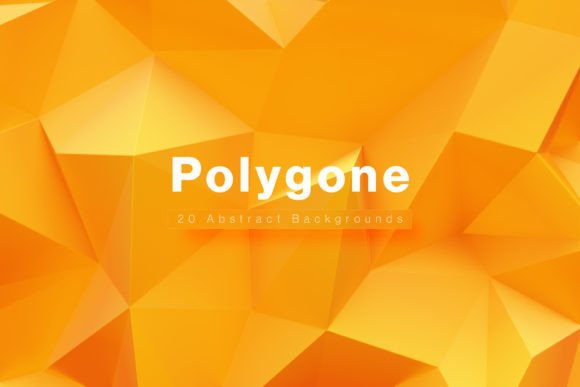
As designers, we constantly seek that perfect backdrop—a foundation that doesn't just sit there but actively contributes to the story. Abstract polygon backgrounds have become a staple for a reason. They offer a unique blend of structure and artistry, using geometric forms to create depth, movement, and visual interest without overwhelming the primary content. This collection of 20 high-resolution backgrounds is built on that principle, providing a versatile asset for professionals who need their work to communicate clarity and contemporary appeal.
The Anatomy of a Striking Geometric Pattern
At their core, these backgrounds are studies in controlled complexity. Each design is constructed from polygons—triangles, hexagons, and irregular quadrilaterals—arranged in tessellated patterns that create a sense of rhythm. The visual personality can shift dramatically based on color and density. A low-density arrangement of large, flat-colored polygons feels minimalist and bold, perfect for a tech startup's hero section. A high-density mosaic with subtle gradients and overlapping shapes evokes sophistication and depth, ideal for a luxury brand's print collateral.
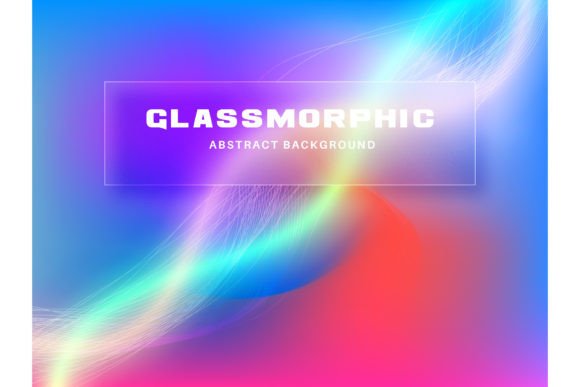
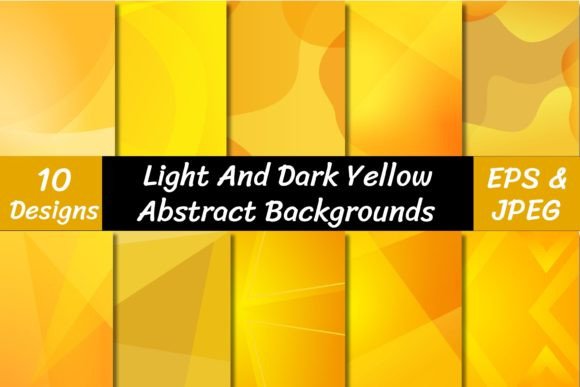
The appeal lies in their inherent modernity. Unlike organic textures or photographic backgrounds, polygon patterns feel designed, intentional, and precise. They align with contemporary trends in web design and social media graphics where clean lines and abstract visuals help content stand out in crowded feeds. The style is inherently versatile; it can lean futuristic with cool blues and sharp angles, or feel warm and retro with muted earth tones and softer geometric groupings.
Practical Applications Across Your Projects
Understanding where these assets work best is key to leveraging their full potential. Their strength is in providing visual structure and energy without competing for attention.
- Digital & Web Design: They are exceptional for website headers, hero images, and section dividers. A polygon background can frame a call-to-action button or a testimonial slider, guiding the user's eye. They also work beautifully as subtle, animated elements in modern UI design, adding a layer of sophistication to user interfaces.
- Branding & Marketing: For logo design and brand identity systems, a custom polygon pattern can become a recognizable brand asset. Use it on business cards, letterheads, and presentation templates to establish a consistent, professional aesthetic. In packaging design, these patterns can create shelf appeal, suggesting innovation and quality.
- Editorial & Publishing: In editorial design for magazines or annual reports, polygon backgrounds can introduce chapter breaks, highlight pull quotes, or add visual weight to data-driven pages. They offer a more dynamic alternative to solid color blocks or standard stock imagery.
- Content Creation: For bloggers, podcasters, and video creators, these backgrounds are a quick way to produce professional-looking YouTube thumbnails, podcast cover art, or Instagram story templates. They ensure your visual branding remains consistent across platforms.
Integrating Polygon Backgrounds into Your Design Workflow
Simply having a collection of backgrounds isn't enough; integrating them thoughtfully separates good design from great design. Here’s how to approach them as a design asset rather than just a decorative element.
Evaluate Context and Hierarchy: The primary function of any background is to support foreground content. A highly detailed, colorful polygon pattern may work for a poster but could clash with body text on a website. Always test your chosen background with your actual content layers. Use tools like overlaying semi-transparent color blocks or applying a subtle blur to ensure text and graphics remain legible and maintain clear visual hierarchy.
Consider Font Pairings and Typography: The geometric nature of polygon backgrounds pairs exceptionally well with clean, modern typefaces. A strong sans serif font for headings can create a powerful, cohesive look. For contrast, a classic serif font can add an unexpected touch of elegance. Avoid overly ornate script fonts or handwritten fonts unless the background is extremely muted, as the competing details can create visual noise. Think of the background as the stage and your typography as the performer.
Customize for Cohesion: Most high-quality assets, including these, are designed for flexibility. Don't be afraid to adjust the color palette within your design software to match your brand's exact hex codes. You can also crop, rotate, or scale the backgrounds to focus on the most compelling section of the pattern for your specific layout. This level of customization ensures the asset feels bespoke to your project.
License and Usage: For any commercial project—whether it's client work, merchandise, or monetized content—ensuring you have the proper commercial license is non-negotiable. This collection is provided for such use, giving you the freedom to apply it across personal and professional projects without legal ambiguity. This peace of mind is a critical component of any premium font or asset purchase.
A Final Thought on Geometric Assets
In a landscape saturated with visual content, the strategic use of abstract polygon backgrounds offers a way to cut through the noise. They are not merely decorative but functional tools that can enhance brand perception, add professionalism, and create engaging visual experiences. By understanding their characteristics and applying them with intention, you can transform a standard design into something memorable and impactful. Keep this toolkit in your arsenal for when your project calls for a blend of mathematical precision and artistic flair.