Abstract Gradient Backgrounds: A Modern Design Toolkit
In the fast-paced world of digital content and branding, static imagery often falls flat. The modern eye, trained by dynamic user interfaces and high-definition screens, craves depth, movement, and emotion. This is where Abstract Gradient Backgrounds step in, offering a sophisticated solution for designers, marketers, and content creators who need to make an immediate visual impact. Far from being simple color fades, these backgrounds represent a specific aesthetic trend characterized by smooth transitions between hues, organic shapes, and a distinct sense of fluidity. They provide a contemporary canvas that feels both professional and artistic, capable of elevating a simple social media post into a polished piece of graphic design.
The Visual Language of Modern Gradients
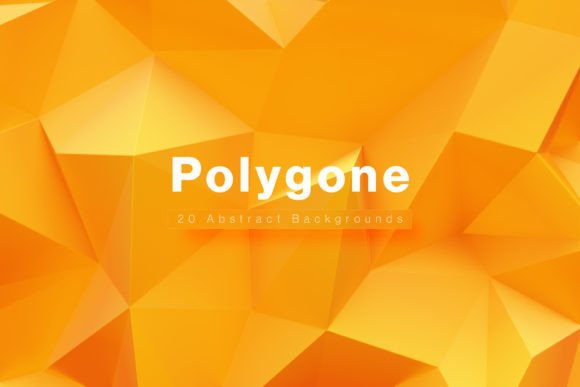
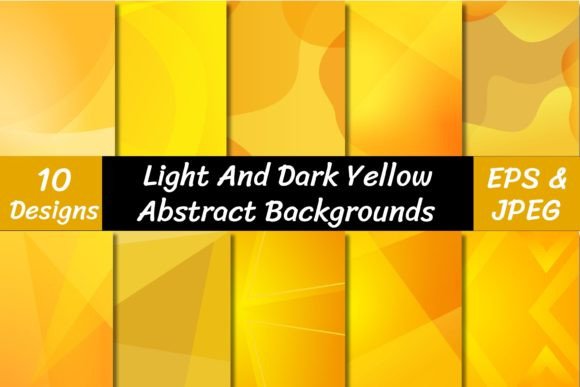
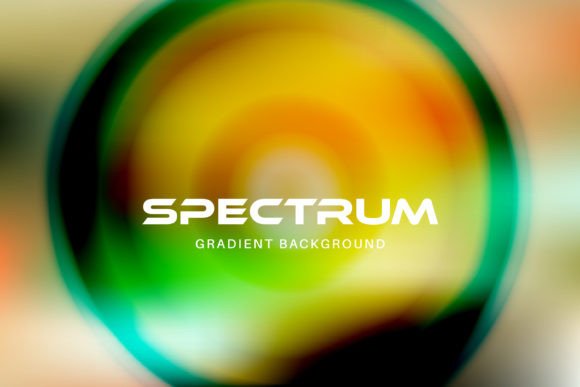
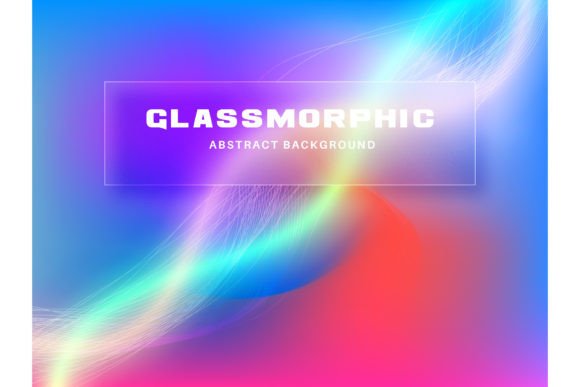
Understanding the appeal of Abstract Gradient Backgrounds requires looking at their visual personality. Unlike the harsh, linear gradients of the early web era, these modern assets often feature complex blending modes and color theory in action. You will typically see colors morphing seamlessly from deep violets into soft peaches or electric blues transitioning into neon greens. The "abstract" element usually introduces soft, blob-like shapes or blurred geometric forms that add texture without creating noise. This style avoids the distraction of specific imagery—like photos or illustrations of objects—allowing the focus to remain entirely on the foreground content, such as text or a product shot.
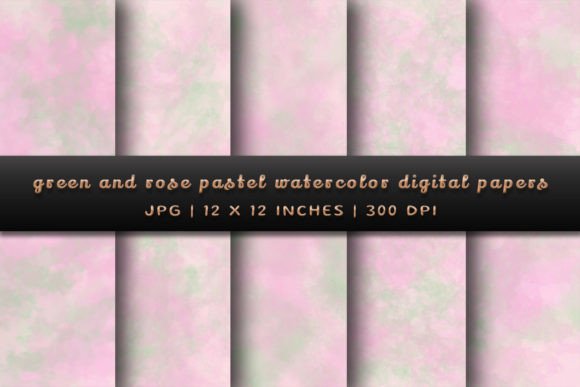
The overall appeal lies in their versatility. For a startup, these backgrounds convey innovation and tech-savviness. For a lifestyle brand, they suggest creativity and fluidity. Because the designs are non-representational, they do not alienate specific demographics; instead, they create a mood. A dark, moody gradient can evoke luxury and mystery, while a bright, pastel gradient feels approachable and energetic. This emotional resonance makes them a powerful tool in visual storytelling, serving as a silent partner to your typography and layout choices.
Strategic Applications for Designers and Brands
The utility of Abstract Gradient Backgrounds spans across nearly every medium. In web design, they are frequently used for hero sections—the large banner area at the top of a homepage. A gradient background ensures that the text overlaid on it (usually a sans serif font or a bold display font) remains legible, provided the contrast is managed correctly. Unlike a busy photograph, a gradient offers a consistent field of color that can be adjusted to meet accessibility standards for readability.
For social media graphics, where the scroll speed is rapid, these backgrounds are essential. They provide a "thumb-stopping" quality that static colors lack. Whether you are designing Instagram stories, Facebook covers, or YouTube thumbnails, the depth created by a gradient adds a layer of professionalism that signals to the viewer that the content is high-quality. Furthermore, in packaging design and print design, gradients are used to create modern labels and brochures that stand out on shelves. They work exceptionally well as a backdrop for logo design, allowing a brand mark to sit in a unique environment that highlights its shape and color.
Practicality and Customization: The Illustrator Advantage
While stock images are useful, they often lack the flexibility required for specific brand guidelines. This is why the availability of these assets in vector formats, specifically for Adobe Illustrator, is a game-changer. The collection of 5 Abstract Gradient Backgrounds for Illustrator mentioned in this context is designed with editability at its core. When you work with Ai files and Eps files, you are not just getting a static image; you are getting a layered, customizable framework.
This vector-based approach means you can manipulate the individual color stops, adjust the opacity of the abstract shapes, and scale the background to fit a billboard or a business card without losing resolution. The ability to "easy edit all element and change your text" is crucial for maintaining brand identity. If a brand's primary color shifts from blue to teal, the designer can quickly adjust the gradient nodes in Illustrator to match the new strategy. This level of control transforms the asset from a simple background into a core component of a flexible design system. The inclusion of Jpeg files and a Help file ensures that even those with less experience in vector software can utilize the designs effectively for quick projects.
Pairing Typography with Abstract Backgrounds
The success of using Abstract Gradient Backgrounds often hinges on the typography chosen to sit on top of them. Because gradients are visually "busy" with color information, the foreground text needs to anchor the design. Generally, clean modern typography works best. A geometric sans serif font is a safe and stylish bet, offering high legibility against the shifting colors. The simplicity of the letterforms contrasts nicely with the organic nature of the background.
However, for more artistic projects, a bold serif font can also work, provided the weight of the font is heavy enough to cut through the visual noise of the gradient. Script or handwritten fonts should be used sparingly and usually require a semi-transparent overlay or a "knockout" shape behind the text to ensure it remains readable. The key is visual hierarchy; the background should support the message, not compete with it. By testing different font pairings against the Jpeg files provided, creators can quickly identify which combinations yield the most professional results before committing to the final vector edit.
Conclusion: Elevating Visual Standards
Incorporating Abstract Gradient Backgrounds into your workflow is an efficient way to modernize your visual output. They bridge the gap between flat design and 3D rendering, offering a middle ground that is rich in style but efficient in file size. For entrepreneurs and marketers, these assets reduce the time spent searching for the perfect stock photo. For designers, the provided Ai files offer the creative freedom to tailor the artwork to exact specifications. Ultimately, utilizing these trending backgrounds helps ensure that your digital presence feels current, cohesive, and professionally curated, regardless of the platform or medium.