Spectrum Gradient Backgrounds: 5 Versatile Designs for Modern Projects
There’s a certain energy that comes with a well-executed gradient. It’s more than just a blend of colors; it’s a visual representation of motion, transition, and depth. In the current landscape of web design and digital branding, static, flat backgrounds are often taking a backseat to something more dynamic. This is where the concept of a Spectrum Gradient Background shines. It isn’t just a wash of color; it is a sophisticated design asset that mimics the natural behavior of light, creating a canvas that feels alive and incredibly modern. If you are looking to elevate your visual projects, understanding how to utilize these backgrounds effectively is a game-changer for your brand identity.
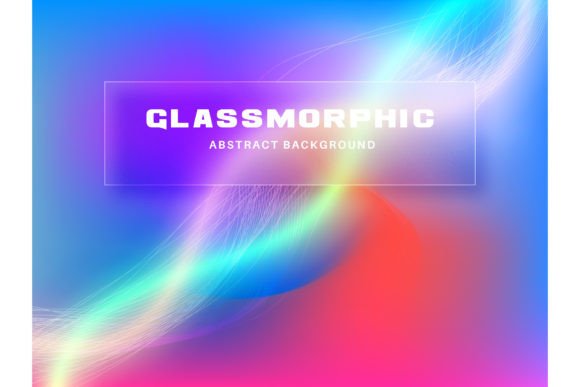
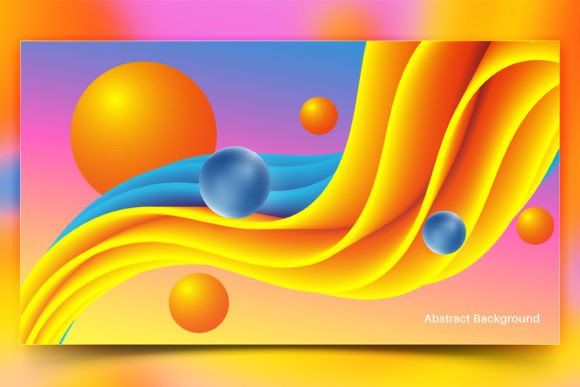
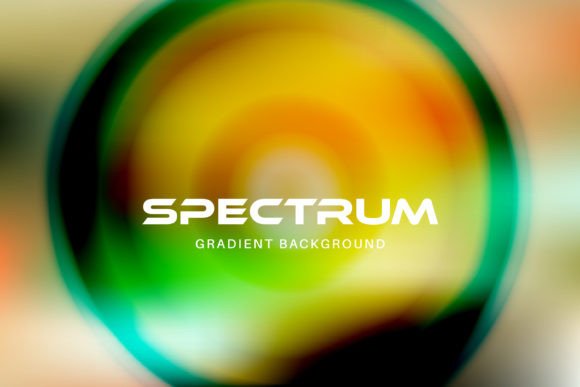
The visual personality of a Spectrum Gradient Background is defined by its fluidity. Unlike standard two-tone gradients, a spectrum approach involves multiple hues transitioning seamlessly across the color wheel—think deep indigos melting into electric teals, fiery magentas, and warm ambers. This creates a rich, immersive atmosphere that feels premium and high-end. The appeal lies in its versatility; it can evoke a sense of futuristic technology, dreamy creativity, or bold energy depending on the specific color palette chosen. It is a style that commands attention without overwhelming the content placed on top of it, offering a perfect balance between visual interest and functional design space.
Elevating Brand Identity and Visual Hierarchy
One of the most practical applications of these backgrounds is in logo design and establishing a strong brand identity. In a crowded market, standing out is essential. A Spectrum Gradient Background provides a unique backdrop that immediately signals creativity and modernity. When you place a clean, crisp sans serif font or a bold display font over a swirling spectrum of colors, the contrast creates an instant focal point. This technique is particularly effective for startups, tech companies, and creative agencies that want to project an image of innovation. The gradient acts as a visual metaphor for complexity and depth, suggesting that your brand has layers to explore.
Beyond logos, consider the impact on social media graphics. The algorithm-driven feeds of Instagram, TikTok, and Pinterest are visual battlegrounds. A flat beige or grey background might be safe, but it rarely stops the scroll. A vibrant spectrum gradient, however, catches the eye immediately. It provides a cohesive aesthetic when used consistently across Stories, Reels, and static posts. For entrepreneurs and content creators, this consistency is vital. It helps build recognition; your audience begins to associate specific color combinations with your content before they even read the text. This subconscious recognition is a powerful tool for building a loyal following and increasing audience engagement.
Practical Design Assets: Editability and Customization
The true power of professional design assets lies in their adaptability. A high-quality collection of Spectrum Gradient Backgrounds should not be a static image you are stuck with. The best resources are built with the end-user in mind—designers, marketers, and small business owners who need flexibility. When sourcing these backgrounds, look for packages that include editable vector files such as Ai files and Eps files. These formats allow you to manipulate the gradient points, adjust the hue and saturation, and resize the background to fit any dimension without losing quality. Whether you are designing a massive billboard or a small mobile app icon, vector scalability ensures your background remains crisp and professional.
Furthermore, the inclusion of Jpeg files and a Help file is crucial for accessibility. Not everyone using these backgrounds is a seasoned Adobe Illustrator expert. Bloggers, crafters, and hobbyists often rely on easier-to-use software or drag-and-drop builders. Having high-resolution Jpegs ready to go allows for immediate implementation. The ability to easily edit all elements and change text means you aren't just buying a picture; you are investing in a template that can evolve with your projects. This ease of use empowers you to maintain a professional look without spending hours on complex technical processes.
Strategic Applications Across Industries
Let’s look at specific scenarios where these backgrounds excel. For packaging design, a spectrum gradient can transform a product from shelf-filler to shelf-stopper. Imagine a cosmetic box or a tech accessory sleeve that features a holographic-style gradient. It implies quality and luxury. In editorial design, such as magazine covers or digital lookbooks, these backgrounds provide a vibrant stage for typography. Pairing a spectrum background with a sophisticated serif font can create a striking contrast between modern color theory and classic readability, bridging the gap between tradition and contemporary style.
For those in the publishing and marketing sectors, these assets are invaluable for creating visual hierarchy in presentations and sales decks. A gradient background can be used to differentiate sections of a presentation, signaling a shift in topic while maintaining a cohesive visual thread. It prevents "Death by PowerPoint" by adding visual texture that keeps the viewer engaged. Furthermore, in web design, these gradients can be used as hero images or section dividers, guiding the user's eye down the page and improving the overall user experience.
Choosing and Testing Your Backgrounds
When integrating these assets into your workflow, it is important to evaluate the fit carefully. Not every gradient suits every project. A neon-heavy spectrum might work perfectly for a gaming channel but could feel out of place for a meditation app. Always consider the psychological impact of the colors involved. Cool blues and purples tend to feel calming and trustworthy, while reds and oranges suggest urgency and passion.
Here are a few practical steps for implementation:
- Test Font Pairings: Place your chosen typeface over the gradient. Ensure there is enough contrast for readability. If the background is busy, consider adding a semi-transparent overlay or a solid shape behind your text to ensure legibility.
- Review Included Styles: Look at the full collection. Sometimes a subtle, pastel version of the spectrum works better than a high-contrast neon version for specific contexts like web design or packaging design.
- Check Commercial Licensing: If you are using these for client work, merchandise, or commercial products, verify the license. Most premium asset packs allow for commercial use, but it is always responsible to double-check the terms to protect your business and your clients.
Ultimately, Spectrum Gradient Backgrounds are more than just a passing trend. They represent a shift toward more immersive, emotional, and dynamic digital experiences. By incorporating these versatile designs into your toolkit, you equip yourself to create visuals that are not only beautiful but also strategically effective in capturing attention and communicating your unique brand message. Whether you are refreshing a website, launching a social media campaign, or designing a new product line, these backgrounds offer a foundation of endless creative possibilities.