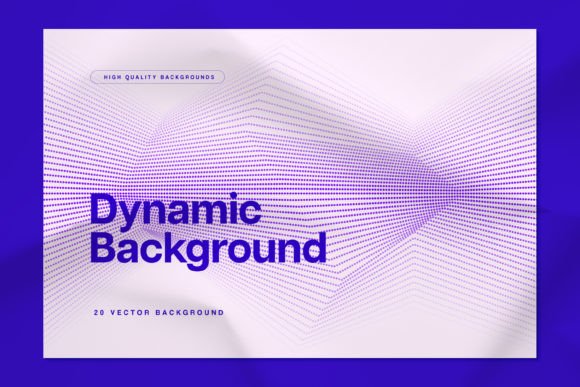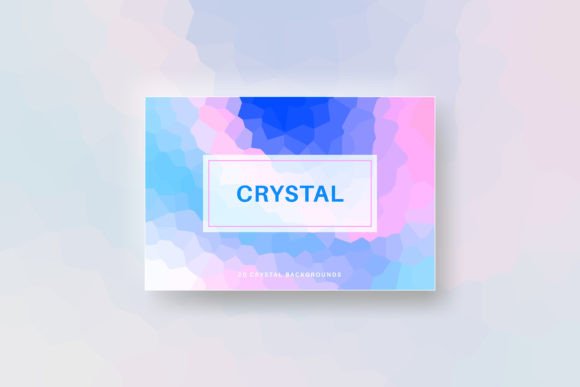
Vector Crystalize Backgrounds: A Sparkle for Every Design
Understanding the Visual Appeal
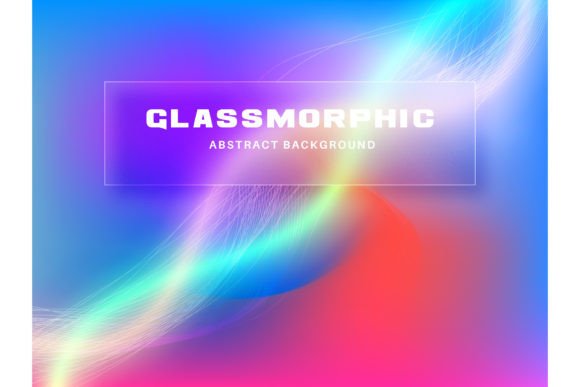
You know that feeling when a design needs just a little more depth, a bit of texture, or a touch of magic? That’s where a resource like these Vector Crystalize Backgrounds steps in. At their core, they are a collection of intricate, faceted patterns that mimic the reflective, light-catching properties of cut crystal or gemstones. The visual personality is one of luxury, modernity, and dynamic energy. Unlike flat, static textures, these backgrounds create a sense of movement and light, with sharp geometric facets and soft gradients that can range from subtle, icy tones to vibrant, kaleidoscopic bursts.
The overall appeal lies in their versatility and high-impact aesthetic. They aren't just decorative; they add a layer of sophistication and tactile quality to digital and print projects. Because they are vector-based, every line is crisp, every gradient is smooth, and you have infinite scalability without a hint of pixelation. This makes them a powerful piece in a designer's toolkit, far beyond a simple pattern fill.
Practical Applications Across Projects
So, where do these dazzling assets actually work best? Think about any project where you need to command attention or convey a sense of premium quality. For brand identity, a subtle crystallize texture can form the backdrop of a business card, letterhead, or presentation folder, adding a touch of class without overwhelming the logo. In web design, they can be used as hero section backgrounds, especially for sites in tech, beauty, events, or luxury services, where the goal is to create an immersive, high-end first impression.
For marketing and social media graphics, they are incredibly effective. Imagine an Instagram story or a Facebook ad for a product launch, a special sale, or a festive announcement. A vibrant crystalize background instantly grabs the eye as users scroll. They’re perfect for creating eye-catching headers for blog posts, dynamic banners for online stores, or elegant flyers for a gala. Even in packaging design, a small, strategically placed crystallize element can make a product label feel more exclusive and contemporary.
For personal projects like wedding invitations, greeting cards, or digital scrapbooking, they offer a way to create something truly unique and memorable. The key is matching the energy of the background to the project's message—a soft, pastel crystalize for a romantic invitation versus a bold, neon-faceted pattern for a music festival poster.
Influence on Design and Brand Perception
The choice of background texture is a subtle but powerful tool in shaping how your audience perceives your work. A well-chosen Vector Crystalize Background can significantly influence several key aspects of a design. First, it establishes visual hierarchy. By placing key text or graphics over a textured but non-competing background, you guide the viewer's eye directly to your message. The texture adds depth, making the foreground elements pop.
In terms of brand perception, these backgrounds can position a brand as innovative, sleek, and detail-oriented. They suggest a level of care and investment in the visual experience, which can translate to perceptions of the product or service itself. For consistency and professionalism, having a pack of 20 variations allows you to maintain a cohesive look across multiple touchpoints—website, social media, print ads—while still varying the design enough to keep it fresh. This consistency builds recognition and trust.
From a technical standpoint, the vector format is a major advantage for readability and performance. You can adjust the opacity and color intensity to ensure text placed over the background remains legible. The scalable nature means it looks sharp on a tiny mobile screen or a massive printed banner, preserving the design's integrity everywhere.
Choosing and Using Crystalize Backgrounds Effectively
Integrating a new design asset requires some thoughtful consideration. Here’s practical guidance for making the most of a resource like this. First, evaluate the project fit. Does your client or project call for this level of visual energy? It might be perfect for a tech startup's launch but less suitable for a traditional law firm's annual report. The style should align with the brand's voice.
Next, test font pairings. These dynamic backgrounds work best with clean, highly legible typefaces. A bold, geometric sans serif font often pairs beautifully, offering a modern contrast. A simple serif font can also work for a more elegant, sophisticated look. Avoid overly ornate script fonts or complex handwritten fonts, as they can get lost in the texture and harm readability. The goal is a clear visual hierarchy.
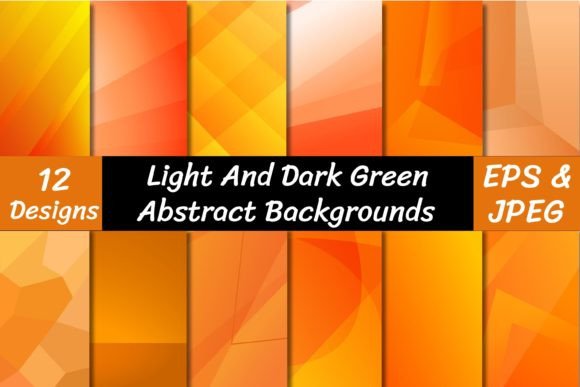
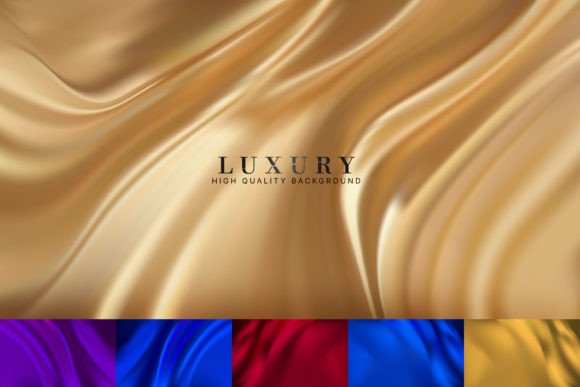
When you have a pack, review the included styles. Look for variety in color palette, pattern density, and mood. You might have some that are cool and icy, others warm and fiery, and some that are more geometric while others feel more organic. This variety is your strength, allowing you to pick the perfect mood for each application.
Always consider readability. This is non-negotiable. Place your text over the background and squint. If the words blur into the pattern, you need to adjust. Solutions include placing a semi-transparent shape (like a white or black box at low opacity) behind the text, darkening or lightening the background layer, or choosing a background with less contrast in the area where text will sit.
Finally, understand the commercial licensing. Since these are premium design assets, ensure the license covers your intended use, whether it's for a personal blog, client work, or products for sale. A good pack provides clear terms, giving you the freedom to use these creative backgrounds confidently in your professional and commercial projects.
In the end, Vector Crystalize Backgrounds are more than just pretty patterns. They are versatile tools for adding dimension, emotion, and a polished, contemporary edge to a wide array of design projects. Used thoughtfully, they can elevate your work from simple to striking, helping you capture attention and communicate quality in a visually crowded world.