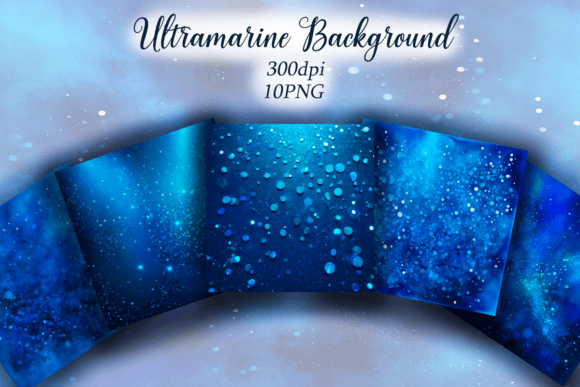
Ultramarine Backgrounds: A Deep Dive into Rich, Versatile Design
There’s a specific shade of blue that commands attention without shouting. It’s the color of deep oceans, twilight skies, and the precious lapis lazuli pigment once reserved for Renaissance masterpieces. This is ultramarine. In the world of digital design assets, Ultramarine Backgrounds capture this powerful essence, offering a foundation of depth, stability, and sophisticated energy for any project. It’s more than just a color; it’s a design tool with a distinct personality.
The Visual Character and Unmatched Versatility
Ultramarine is a complex blue, often carrying subtle violet undertones that give it a richness simpler blues lack. It feels both calming and authoritative. As a background, it creates an immediate focal point, allowing foreground elements—whether text, graphics, or photos—to pop with incredible clarity. This isn’t a passive backdrop; it’s an active participant in your design’s visual hierarchy.
The true strength of a quality ultramarine background lies in its adaptability. Consider the breadth of applications:
- Branding & Marketing: It injects professionalism and trust into logo design, business cards, and social media banners. A deep blue foundation is a cornerstone of many corporate brand identities for a reason—it conveys reliability and depth.
- Editorial & Publishing: In editorial design, such as magazine layouts, book covers, or blog headers, ultramarine sets a tone of seriousness and elegance. It pairs beautifully with crisp white serif fonts for a classic, readable combination.
- Digital & Web Design: Used as a hero section background or a subtle accent, it can guide user attention and improve readability. In web design, it creates a memorable experience that stands out from the sea of minimalist whites and grays.
- Print & Packaging: From luxury product packaging design to event invitations, this color signals quality and care. It’s a premium font color choice that elevates the perceived value of the item it adorns.
- Personal & Craft Projects: The digital files are perfect for creating custom planner stickers, unique party invitations, or stunning scrapbook pages. The high-resolution PNGs ensure crisp prints on everything from t-shirts to mugs.
Practical Guidance for Implementation
Choosing to use an ultramarine background is the first step. Implementing it effectively is the next. Here’s how to integrate this asset into your workflow with purpose.
Evaluating Project Fit and Font Pairing
Ask yourself: does my project benefit from a strong, confident foundation? Ultramarine excels where you want to evoke trust, creativity, or a touch of luxury. It’s less suited for projects requiring a minimalist, airy, or overtly playful feel unless used very strategically as a small accent.
Font pairing is critical. The deep background demands legible, high-contrast typography. For a modern, clean look, pair it with a sans serif font in white or a light cream. For a more traditional, editorial feel, a serif font works wonders. Avoid overly decorative script fonts for body text, though a bold handwritten font could work for a short, impactful headline if tested for readability.
Ensuring Readability and Visual Hierarchy
Dark backgrounds can sometimes cause eye strain with large blocks of light text. Mitigate this by increasing line spacing and using a slightly off-white (like #F5F5F5) for body copy instead of pure white. The high resolution (300 dpi) of these files ensures that text and fine details remain sharp when printed, which is non-negotiable for professional results.
Use the background’s depth to your advantage for visual hierarchy. Place your most important message or key graphic in the area with the most visual weight or contrast. The color naturally draws the eye, so use it to guide your audience through your design intentionally.
Leveraging the Asset for Commercial Projects
For entrepreneurs and small business owners, this is a versatile design asset. Use it to create a cohesive set of social media graphics that instantly look polished. Apply it to packaging design for a product line to establish instant recognition. When used consistently, a signature color like this becomes a key component of your brand identity, enhancing professionalism and audience recall.
Remember, the digital file gives you control. You can adjust the opacity, overlay textures, or blend it with other elements in your design software. This flexibility makes it a valuable addition to any creator’s toolkit, offering a professional starting point for countless creative font and design explorations. The key is to treat it not just as a color fill, but as a foundational element that informs every other design decision you make for that project.